
When recovery supports the whole family, communities get stronger
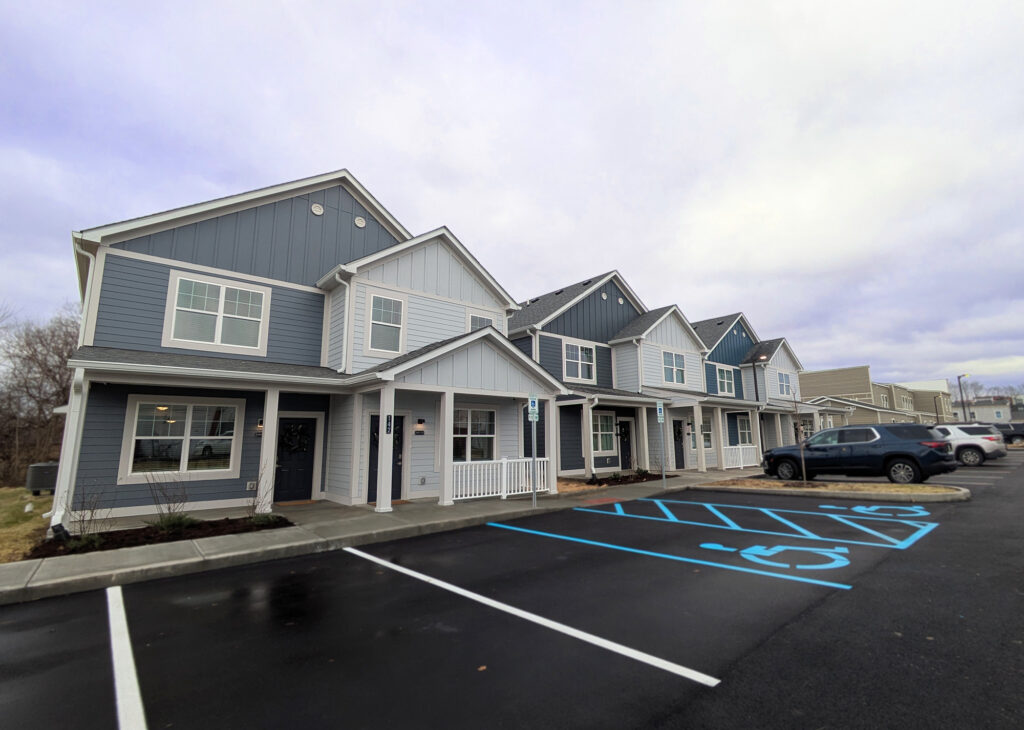
The Legacy Recovery House in Plainfield shows us what is possible when recovery housing, healthcare and community partnerships come together to support families on the path to long-term stability.
Recovery does not happen in isolation. For women completing substance use disorder treatment, there is a challenge in finding safe, stable housing, allowing them to remain with their children as they rebuild their lives. That is the gap Legacy Recovery House is filling.
Legacy Recovery House consists of three duplexes with 17 bedrooms designed to serve families. The residence is intended to operate as a Level III recovery home, offering around-the-clock support and strong peer connections for women who have completed residential treatment. This kind of transitional environment is critical because recovery is not just about finishing a program—it is about having the stability, community, and services to make long-term success possible.
A key part of this effort has been the partnership with Indiana University Health. IU Health’s Community Impact Investment Fund awarded VOA Ohio & Indiana a $1.4 million grant to help advance recovery housing for women with children, and IU Health West has been part of a broader vision for integrated support services. These recovery residences give women a place to heal with dignity, maintain family bonds, and move forward with the support needed to make recovery sustainable. That matters because recovery outcomes are shaped by more than treatment alone. Physical health, mental health, childcare, housing stability, and family support all work together to create conditions for healing.
Legacy Recovery House is also part of a larger community vision in Plainfield, alongside the future Winding Way Townhomes and other local investments intended to strengthen family stability and well-being. The project is a reminder that when healthcare providers, nonprofit organizations, and community leaders collaborate, they can build more than housing—they can create pathways to hope. For families navigating recovery, that kind of partnership can make all the difference.